What Makes Professional Pest Control Services Worth the Investment
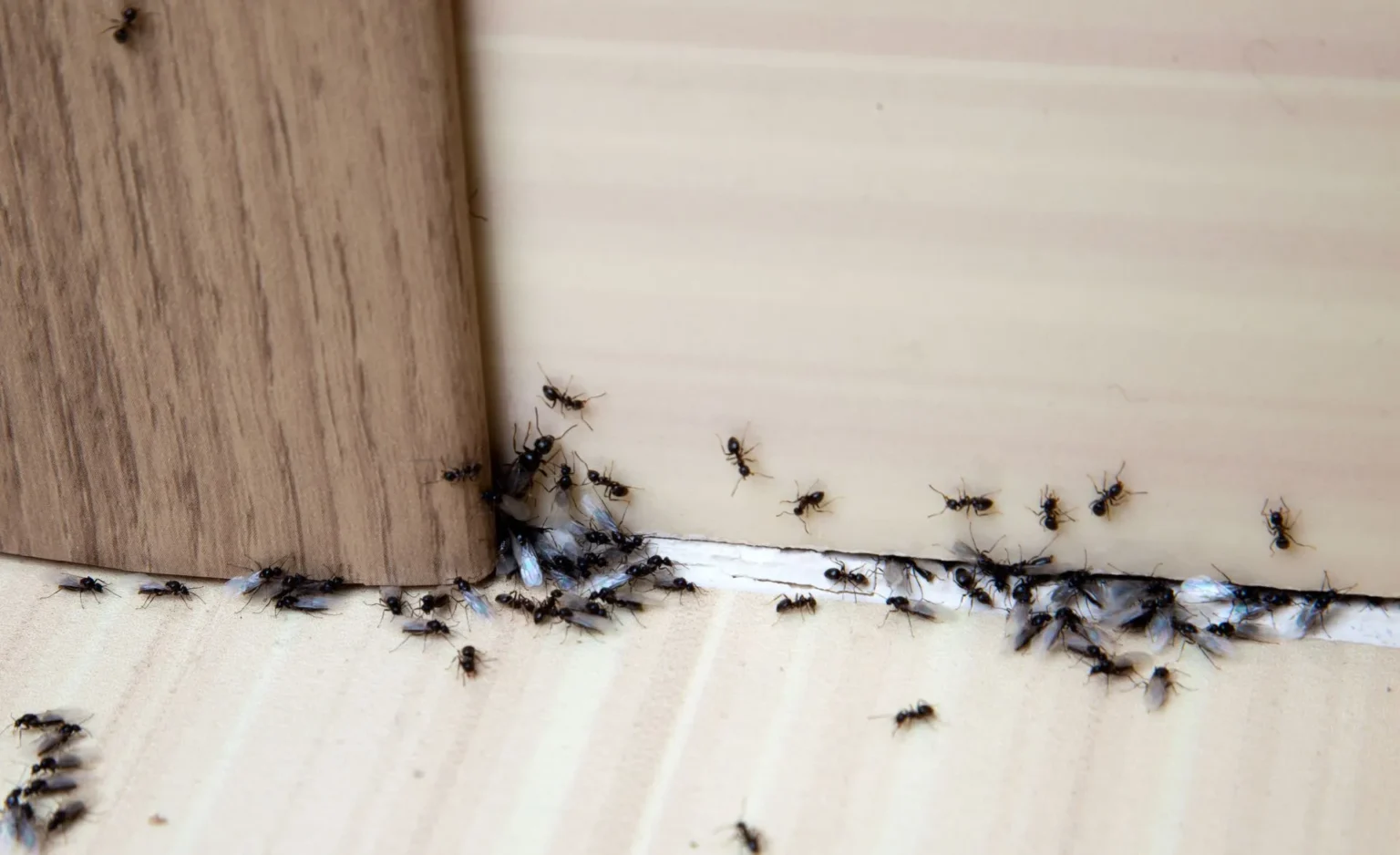
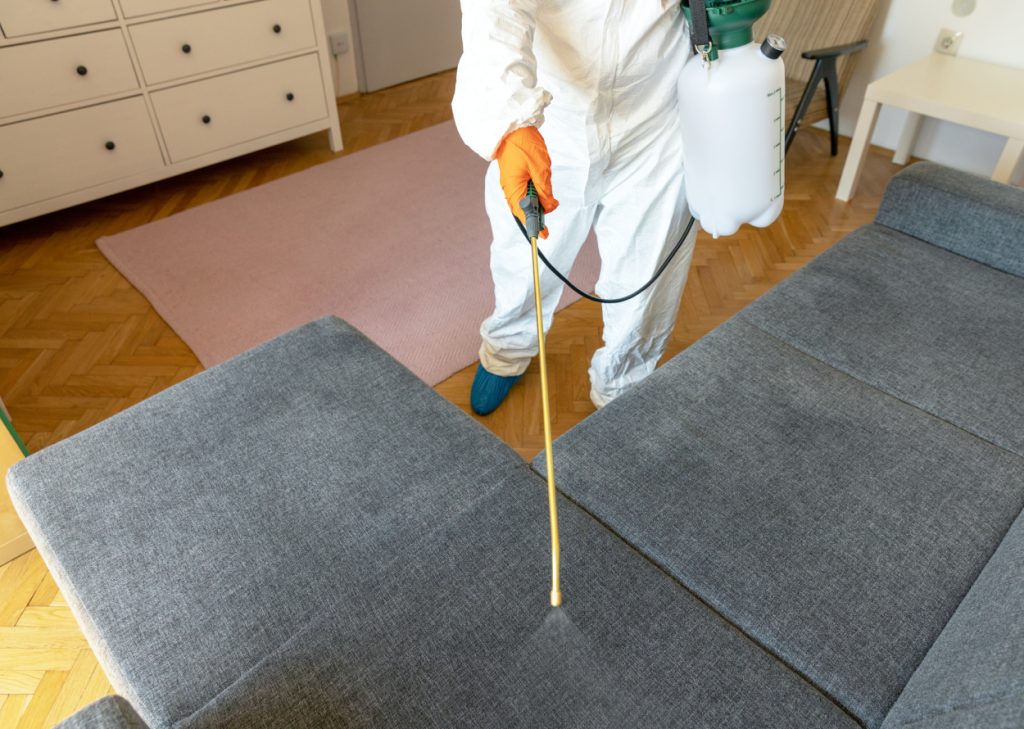

A pest problem rarely starts as a dramatic event. More often, it begins with a few quiet signs that are easy to dismiss: a line of ants near the sink, a scratching sound behind a wall at night, a wasp returning to the same eave, or a faint odor in a crawl space that was not there last week. People usually try the obvious fix first. They buy a spray, set a trap, seal a visible crack, and hope the issue fades.
Sometimes that works, at least on the surface. Just as often, it does not.
The real value of professional Pest Control Services becomes clear when you look past the immediate nuisance and consider what is actually being purchased. You are not simply paying for someone to kill bugs or remove a rodent. You are paying for diagnosis, risk management, targeted treatment, building knowledge, follow-up, and accountability. In many cases, you are also paying to avoid much larger costs that show up later as property damage, health concerns, failed DIY attempts, or recurring infestations that never fully go away.
That difference matters. Pest control is one of those fields where the visible problem is often smaller than the hidden one.
The visible pest is usually not the full problem
Anyone can spot a cockroach on a kitchen floor or a trail of termites on a foundation wall. The harder part is understanding why that pest is there, how established the infestation is, what conditions are supporting it, and whether the obvious treatment will solve anything beyond the next few days.
That is where experienced technicians earn their keep. A trained professional does not start with product. They start with inspection. They look at moisture levels, entry points, harborage areas, sanitation patterns, landscaping conditions, structural vulnerabilities, and seasonal behavior. They read signs the average homeowner simply would not recognize, not because the homeowner is careless, but because pest activity often leaves subtle evidence.
A small patch of mud tubes can mean an active termite route from soil to framing. A few droppings in a garage may suggest a rodent path through insulation or roofline gaps. Flea activity in one room can point to an untreated pet issue, wildlife under the home, or dormant life stages in flooring and upholstery. Without that broader view, treatment becomes guesswork.
Guesswork is expensive.
I have seen cases where property owners spent months cycling through store-bought products for ants, only to learn the colony was nesting inside wall voids and trailing to a moisture issue under the slab. I have seen people fog a room for bed bugs, drive the insects deeper into hiding, and make the eventual treatment more difficult. I have seen rat traps catch one or two animals while the actual entry point behind the fascia remained open the whole time. In each case, the customer paid several times before paying once for a proper solution.
DIY often treats activity, not cause
There is a place for do-it-yourself pest control. A homeowner can handle some minor, isolated issues, especially when the pest is correctly identified and the conditions are simple. A few outdoor ant mounds in a dry season or a single paper wasp nest in an accessible spot may not require a service call.
But many infestations are not minor or isolated, even when they appear to be.
Most retail products are designed for broad consumer use. That usually means they are easier to apply, less specialized, and less precise than professional materials and methods. The limitation is not only the product itself. It is the decision-making around it. Choosing where to place a bait, when not to spray, how pest biology affects timing, and what environmental conditions change the outcome, those are the details that make treatment effective.
For example, spraying over an ant trail can disrupt foraging behavior and scatter the colony without eliminating it. Using the wrong rodent bait placement can leave the population largely untouched. Treating only the room where bed bugs are noticed can miss adjoining spaces where they have already spread. Applying too little product wastes effort. Applying too much can create safety issues and still fail.
Homeowners also tend to act when frustration peaks, not when timing is ideal. Pest control is often more strategic than reactive. Certain insects are best treated at specific life stages. Some rodents become more active indoors with temperature shifts. Moisture-loving pests surge under conditions that need correction before chemicals have any lasting effect. Professionals know how season, structure, and species interact. That judgment is hard to replicate from a label or online video.
The financial case is stronger than it first appears
At first glance, hiring a pest professional can feel like an avoidable expense. A service visit may cost more upfront than a few traps, baits, or sprays from a hardware store. But that comparison is too narrow. The better question is what the total cost looks like over time if the problem is not solved correctly.
Termites are the classic example. Active subterranean termite damage can continue quietly for years. By the time there is visible evidence, repair bills can reach into the thousands or much more, depending on how much structural wood has been compromised. Early professional intervention can mean the difference between a localized treatment and a major renovation.
Rodents create a similar gap between apparent and actual cost. A mouse or rat does not only consume food or make a mess in storage. It can chew wiring, contaminate insulation, damage ductwork, foul attic spaces, and create persistent odors. In commercial settings, the financial impact expands further. One sighting in a restaurant, retail space, or multifamily property can affect inspections, reputation, occupancy, and repeat business.
Even insects that seem less destructive can become expensive through repetition. Recurrent cockroach or ant activity often leads people to buy product after product without addressing the conditions that support the infestation. It is common to see several rounds of consumer spending add up to more than a professional inspection and treatment plan, with worse results.
The math becomes even more persuasive when you include time. Repeated cleaning, replacing contaminated food, washing linens, moving furniture, sealing gaps, taking off work for failed treatment attempts, and dealing with stress all have real value. Professional Pest Control Services shorten that cycle.
Expertise reduces risk, especially in occupied spaces
Pest control is not only about effectiveness. It is also about safe decision-making in homes and buildings where people, pets, and sometimes vulnerable occupants live.
That matters more than many people realize. The wrong treatment in the wrong place can create unnecessary exposure risks or contaminate surfaces that should remain protected. A professional technician is trained to evaluate where products can be used, where they should not be used, how much is appropriate, and what non-chemical methods may be preferable. That judgment becomes particularly important in homes with infants, older adults, people with respiratory concerns, or animals that have access to treated areas.
Experienced providers also understand that not every problem needs aggressive chemical intervention. A good service plan may combine exclusion work, habitat correction, monitoring, mechanical controls, and limited targeted treatment. In practice, that often produces better long-term results than relying on spray alone.
There is also legal and regulatory risk in some settings. Property managers, food service operators, healthcare facilities, and warehouses often have documentation requirements or inspection standards. Professional service records can support compliance, show due diligence, and provide a treatment history that matters if issues recur.
Proper identification changes everything
One of the most overlooked benefits of hiring a professional is accurate pest identification. It sounds basic, but it drives the entire treatment strategy.
Not every small brown insect is a cockroach. Not every wood-damaging sign points to termites. Not every bite complaint is caused by bed bugs. Misidentification leads directly to wasted money and delayed solutions.
Professionals are trained to distinguish between species that look similar but behave very differently. Carpenter ants and termites require different responses. Pantry pests are not treated the same way as fabric pests. House mice, roof rats, and Norway rats have distinct habits that affect where to inspect and how to trap. Even among ants, species differences can determine whether baiting, exclusion, moisture control, or exterior treatment will be most effective.
I have seen homeowners tear into walls over what they thought were termites, only to find old moisture damage and harmless debris. I have also seen the opposite, where people assumed they had a minor beetle issue and ignored the early signs of wood-destroying insects. Correct diagnosis is not a small advantage. It is the foundation of good pest control.
Prevention is where the real return often shows up
People tend to call pest control when the problem is already active, but prevention is where the value becomes most obvious over a full year or longer. A good provider is not just responding to pests. They are helping create conditions where pests are less likely to establish themselves in the first place.
That often includes a combination of inspection, recommendations, seasonal treatments where appropriate, and ongoing monitoring. For many properties, especially in warm or humid regions, this kind of proactive management is far more cost-effective than waiting for each infestation to become visible.
The strongest prevention programs are practical and property-specific. They do not rely on generic advice. They consider things like irrigation patterns, mulch depth, drainage, attic ventilation, foundation gaps, door sweeps, utility penetrations, cluttered storage, and food handling habits. A technician who has worked on similar homes or buildings will often spot risk factors within minutes.
Here are some of the preventive issues professionals commonly identify during routine service:
- Moisture conditions that attract termites, cockroaches, and silverfish
- Exterior gaps where rodents, spiders, or overwintering insects can enter
- Yard and landscape features that create shelter close to the structure
- Sanitation or storage patterns that support pantry pests or roaches
- Early activity signs that are easy to miss before populations expand
That kind of observation saves money precisely because it catches small issues before they become expensive ones. It also helps owners make smarter maintenance decisions. A fifty-dollar door sweep or a minor plumbing repair can prevent repeated service calls if it addresses the root cause.
The best providers do more than apply treatment
Not all pest control companies deliver the same value. The difference between a strong service provider and a mediocre one is not always visible in the first visit, but it becomes obvious over time.
A good technician explains what they are seeing and why it matters. They do not rely on vague assurances. They inspect thoroughly, document findings, set realistic expectations, and distinguish between immediate relief and full resolution. They also understand that some pest issues require staged treatment, especially when biology or access limits how quickly a population can be eliminated.
For example, German cockroach control in a heavily infested apartment may take more than one visit, especially if sanitation issues or neighboring units are involved. Bed bug work often depends on preparation quality, clutter levels, and follow-up inspections. Rodent control can fail if trapping is done without exclusion, because new animals will continue entering. A trustworthy provider says this upfront.
Good companies also keep records. That matters more than most customers think. Service notes help track trends, support warranty discussions, and show whether a problem is isolated or recurring. In commercial or multifamily environments, documentation can reveal patterns across units or buildings that would otherwise go unnoticed.
Certain pest problems almost always justify professional help
Some infestations are simply too high-stakes, too persistent, or too technically demanding for casual treatment. These are the situations where professional Pest Control Services usually pay for themselves fastest.
Among the most common are termites, bed bugs, German cockroaches, rodents in attics or wall voids, stinging insect nests in difficult locations, and wildlife-related parasite issues such as fleas after raccoon or feral cat activity. These pests either reproduce quickly, spread easily, hide effectively, or carry enough health and property risk that trial-and-error becomes a poor strategy.
Bed bugs are a prime example. People often underestimate how difficult they are to eliminate once they spread beyond a single sleeping area. Store products may kill exposed insects and leave eggs or hidden adults untouched. Improper treatment can also drive them into adjacent rooms or units. Professional handling brings inspection tools, treatment protocols, and follow-up structure that most households cannot reproduce on their own.
Rodents are another case where surface success can be misleading. Catching a rat does not mean the problem is solved. If the entry route remains open or food access is unchanged, the population will rebound. In older homes, especially, exclusion work can be highly technical. Gaps around roof intersections, vents, crawl space openings, and utility lines are not always obvious. An experienced technician knows where to look.
Recurring service can be more economical than repeated emergency calls
Many customers hesitate at the idea of ongoing pest service because they see it as an extra monthly or quarterly bill. In reality, recurring service often functions more like a maintenance plan, similar to HVAC servicing or roof inspections. It spreads cost predictably and reduces the chance of expensive surprises.
This is especially true in regions where pest pressure is constant. Warm climates, high humidity, dense vegetation, older housing stock, and nearby water all increase the likelihood of recurring activity. In those environments, waiting for a visible infestation before acting is usually the more expensive route.
Recurring service also changes the relationship from reaction to management. The technician gets to know the property, notices changes over time, and can respond quickly when patterns shift. https://claytonvjar440.scriblorax.com/posts/residential-pest-control-services-what-every-homeowner-should-know If a new drainage issue appears, if attic droppings suggest fresh rodent entry, or if spring ant pressure starts earlier than usual, there is already a baseline for comparison.
For landlords and property managers, that continuity has additional value. Tenant complaints can be addressed faster, unit histories are easier to track, and the property is less likely to suffer from neglect between major incidents.
Peace of mind has practical value too
It is easy to dismiss peace of mind as a soft benefit, but anyone who has lived through a persistent pest problem knows it is not trivial. Sleep disruption, embarrassment, worry about guests, concern for children or pets, and the constant feeling that something is crawling or gnawing out of sight all take a toll.
This is particularly true with nocturnal pests like rodents and cockroaches, or with insects associated with sleeping areas. Even after visible activity drops, many people remain on edge until they trust that the problem has truly been resolved. Professional service provides more than treatment. It provides a credible answer to the question, "Is this actually under control?"
That confidence rests on process. Inspection findings, treatment strategy, monitoring, and follow-up all give people a reason to believe the issue is being managed competently. That is different from the uncertainty of repeated DIY attempts, where every quiet day feels temporary.
What to look for when deciding if the investment is worth it
Whether professional service makes sense depends on the severity of the pest issue, the type of pest, the risk to the property, and the customer’s ability to address contributing conditions. A single occasional invader may not justify a major response. Repeated sightings, signs of nesting, structural pests, sanitation-sensitive environments, and unexplained bites or droppings usually do.
When evaluating providers, the strongest signs of value are not flashy promises. They are practical markers of competence.
Look for a company that inspects before prescribing, explains the treatment plan clearly, discusses non-chemical corrections, outlines follow-up expectations, and avoids claiming that every problem can be solved instantly. If the representative seems more interested in rushing a sale than understanding the building, that is a warning sign. Pest control is a field where specifics matter.
The providers worth hiring tend to be measured. They ask about timing, location, seasonality, prior treatment, moisture, pets, recent travel, adjacent structures, and sanitation habits. Those questions are not sales tactics. They are part of building a correct diagnosis.
The investment pays off when the goal is lasting control
Professional Pest Control Services are worth the investment because they deliver something broader and more durable than a one-time treatment. They bring trained observation, accurate identification, targeted strategy, safer application, preventive thinking, and accountability. Most importantly, they reduce the odds that a small problem turns into a large and expensive one.
That is the real calculation. The price of service is only one part of the equation. The value comes from avoiding missteps, protecting the property, reducing risk, and solving the right problem the first time.
For homeowners, that may mean preventing structural damage, stopping recurring infestations, and getting their home back to normal. For businesses and property managers, it can mean protecting operations, reputation, and compliance. In both cases, the return is strongest when the provider treats pest control not as a quick spray job, but as a professional service grounded in inspection, judgment, and long-term results.
Affordable Pest Solutions LLC
Phone number: +19732299547
FAQ About Pest Control Services
How much does pest control charge?
For a standard 1,500-square-foot home, professional pest control charges generally average $100 to $300 for an initial visit, with ongoing monthly services running $40 to $75 per visit and one-time emergency exterminations costing $100 to $600, depending heavily on the specific pest and the severity of the infestation.
What is the hardest pest to get rid of?
Bed bugs are widely considered the hardest household pest to get rid of, closely followed by German cockroaches and subterranean termites.
What is included in a pest control service?
A standard pest control service includes a property inspection, targeted treatments, and prevention advice. It typically covers common pests like ants, spiders, and cockroaches, using sprays, baits, or traps.